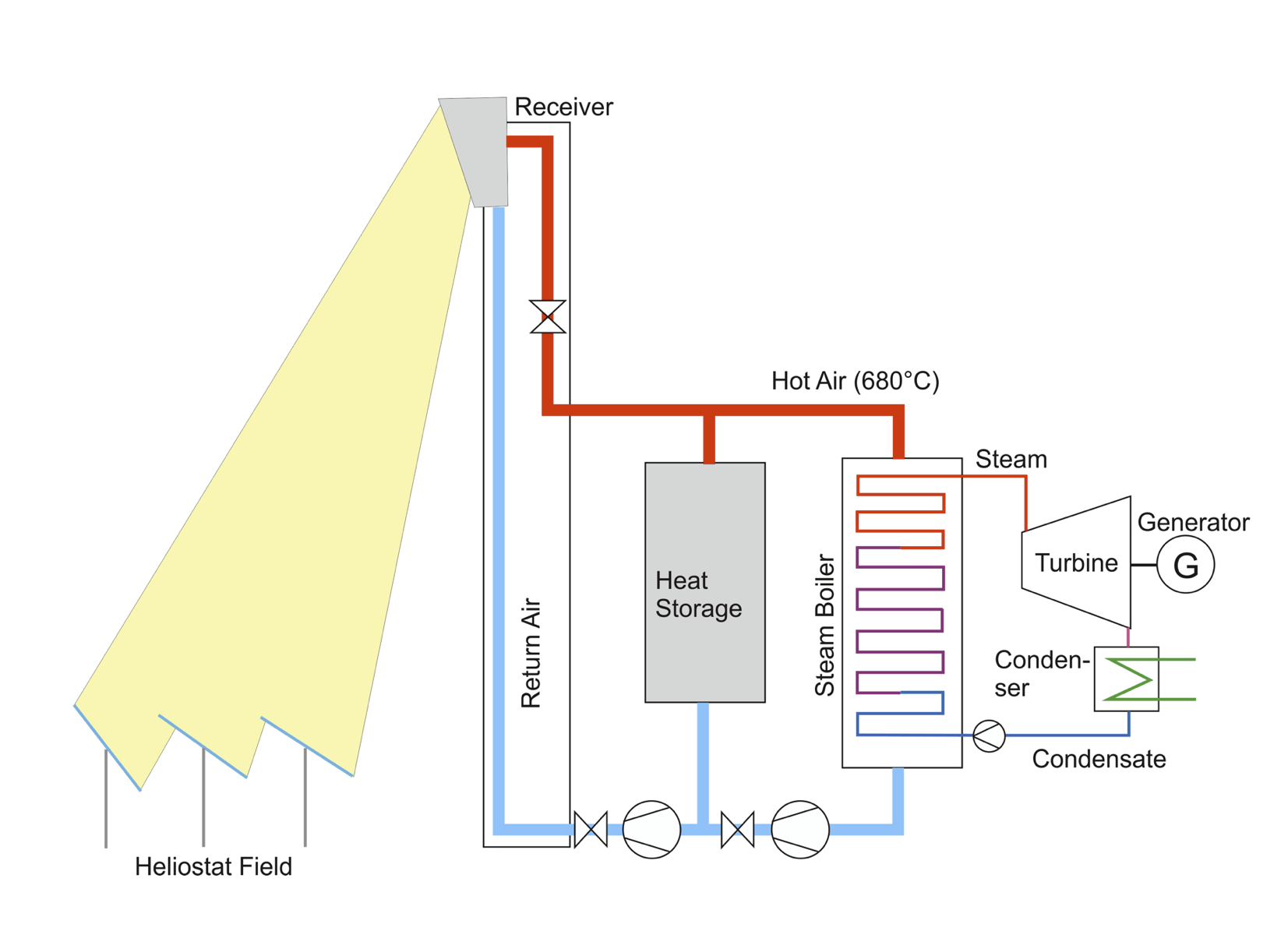
Published at Renewable Energy – Techno-economic assessment of concentrated solar power generation in Saudi Arabia

Abstract: Saudi Arabia plans to shift a large portion of its domestic energy production away from fossil fuel towards solar energy by 2030. Yet, the solar energy pool is mainly targeting photovoltaic technology. This study analyzes the potential of cleaner energy production from solar energy using concentrated solar power technology. First, different locations for concentrated solar power technology deployment are …

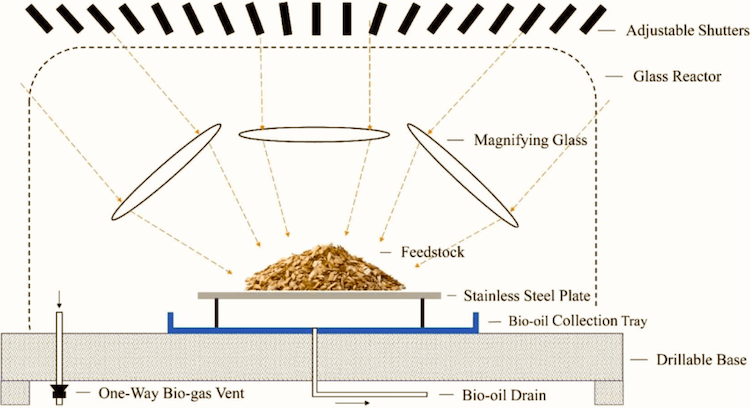
Published at Journal of Analytical and Applied Pyrolysis – Biochar pyrolyzed with concentrated solar radiation for enhanced nitrate adsorption

Abstract: Biochar has been recognized as an effective soil amendment for reducing nitrogen leaching in agriculture, but its large-scale implementation is impeded by the costly production process due to high energy requirements for thermal decomposition of feedstock. This study aimed to develop a novel pyrolysis system utilizing concentrated solar radiation to produce biochar and explore …

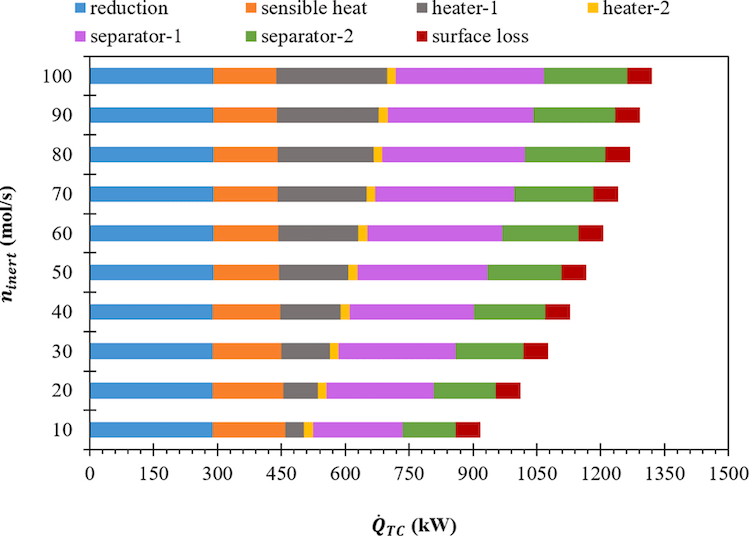
Published at International journal of Hydrogen Energy – H2 producing hybrid solar thermochemical ZnSO4/ZnO water splitting cycle: Thermodynamic efficiency analysis

Abstract: This investigation reports the thermodynamic efficiency analysis of a hybrid ZnSO4/ZnO water-splitting cycle. The data required for efficiency calculations are gathered from HSC Chemistry Software. The prime goal is to examine the effects of the thermal energy needed for heating inert sweep gas and separating the gaseous components in the cycle on the solar-to-fuel …

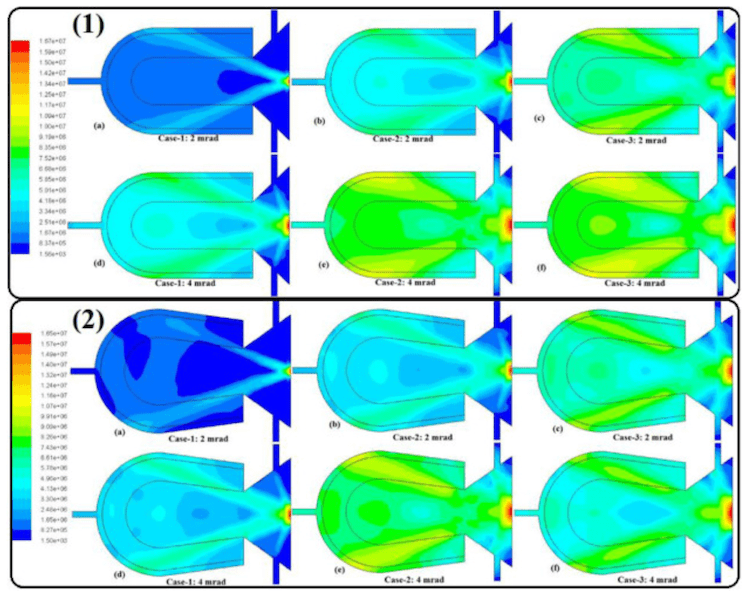
Published at Energy Reports – Chemical and thermal performance analysis of a solar thermochemical reactor for hydrogen production via two-step WS cycle

Abstract: Ceria-based H2O/CO2-splitting solar-driven thermochemical cycle produces hydrogen or syngas. Thermal optimization of solar thermochemical reactor (STCR) improves the solar-to-fuel conversion efficiency. This research presents two conceptual designs and thermal modelling of RPC-ceria-based STCR cavities to attain the optimal operating conditions for CeO2 reduction step. Presented hybrid geometries consisting of cylindrical–hemispherical and conical frustum–hemispherical structures. …

Published at Solar Energy – Investigation of physico-mechanical, thermal properties and solar thermoregulation performance of shape-stable attapulgite based composite phase change material in foam concrete

Abstract Thermal energy storage (TES) by means of phase change materials (PCM) is of great concern to decrease heating and cooling loads. In building envelopes, one of the most efficient TES methods is integration of PCMs with construction materials for preventing temperature fluctuations by taking advantage of energy storage/release feature of PCMs. Aim of this …

Published at Solar Energy – A feasibility study on the application of mesh grids for heliostat wind load reduction

Abstract This study examines the effectiveness of mesh grids in heliostat field perimeter fences and edge-mounted devices for heliostat wind load reduction. Two experimental studies were conducted: (1) the effect of mesh porosity and non-dimensional longitudinal distance of a perimeter fence upstream on the forces on a heliostat, and (2) the effect of mesh porosity …

Published at International Journal of Hydrogen Energy – Performance of biogas blended with hydrogen in a commercial self-aspirating burner

Abstract: A natural gas and carbon dioxide fuel mixture was enriched by hydrogen to experimentally measure the performance of a hydrogen and surrogate biogas fuel. The performance of various biogas qualities and hydrogen blend ratios was investigated for use in a commercial self-aspirating burner by quantifying the impact on primary air entrainment, blow-off and flashback …

Published at Journal of Energy Storage – Human ear inspired solar thermochemical reactor for steam methane reforming with the consideration of minimum Gibbs free energy principle

Human ear inspired solar thermochemical reactor for steam methane reforming with the consideration of minimum Gibbs free energy principle Abstract The non-uniformity temperature field of direct solar thermochemical reactors severely decreases the energy conversion efficiency of solar-to-fuel. Inspired by the physical mechanism by which the human ear can collect more sound waves, associating the similarity …

Published at Applied Energy – A novel high-efficiency solar thermochemical cycle for fuel production based on chemical-looping cycle oxygen removal

A novel high-efficiency solar thermochemical cycle for fuel production based on chemical-looping cycle oxygen removal Abstract Solar-driven two-step thermochemical cycling is a promising means to convert solar energy into storable and transportable chemical fuel, in which hydrogen or carbon monoxide is generated by continuous reduction and oxidation reactions. However, the high energy consumption of deoxygenation …

Published at Renewable and Sustainable Energy Reviews – Massive grid-scale energy storage for next-generation concentrated solar power: A review of the potential emerging concepts

Abstract The cost of renewable energy has significantly decreased in recent years, which marks the way towards a fully renewable and sustainable future. However, this energy transition is not possible without massive grid-scale energy storage technology since most of the renewable energies are highly variable. In areas with a high solar resource, Concentrated Solar Power (CSP) can play a …