Add Nickel to Ceria for Solar Syngas at just 700°C

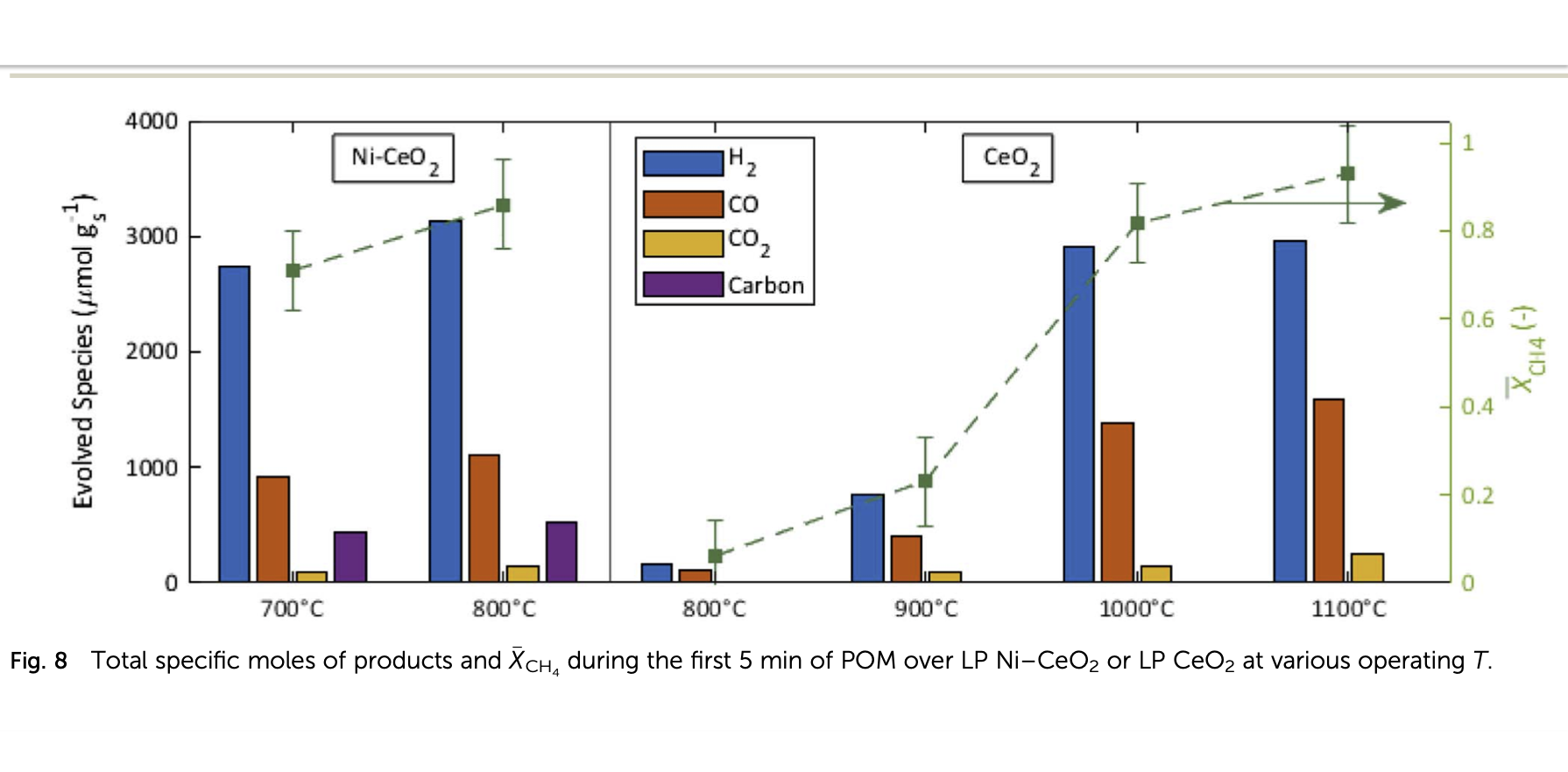
Nickel ceria (Ni-CeCO2) for solar syngas at just 700°C IMAGE@Kinetic investigation of solar chemical looping reforming of methane over Ni–CeO2 at low temperature Adding Nickel to Ceria can yield Solar Syngas at lower temperatures – at just 700°C Solar thermochemistry researchers at the University of Florida and Synhelion tried a new way to generate syngas, …

Water-cooled window for hot solar receivers over 1500°C

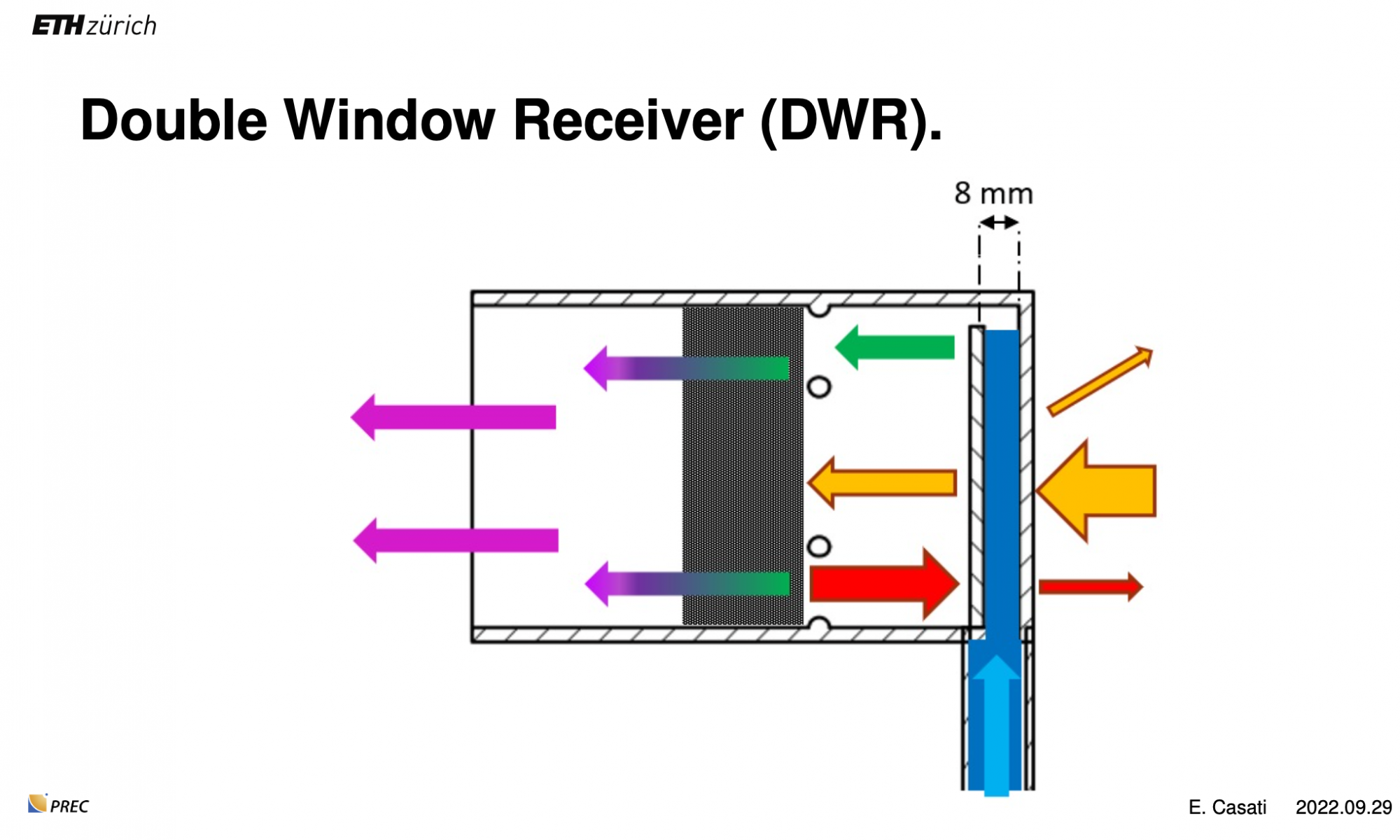
  IMAGE@Casati et al. A water-cooled hot solar window from A Solar Receiver Delivering Heat at 1500℃ and Above- Experimental Results – presentation. For solar thermal systems to make solar fuels or provide industrial heat at temperatures at 1500°C, various designs for high-temperature solar receivers are being innovated to capture and convert concentrated solar heat …

Successful PROMES-CNRS thermocline test of latent/sensible heat storage

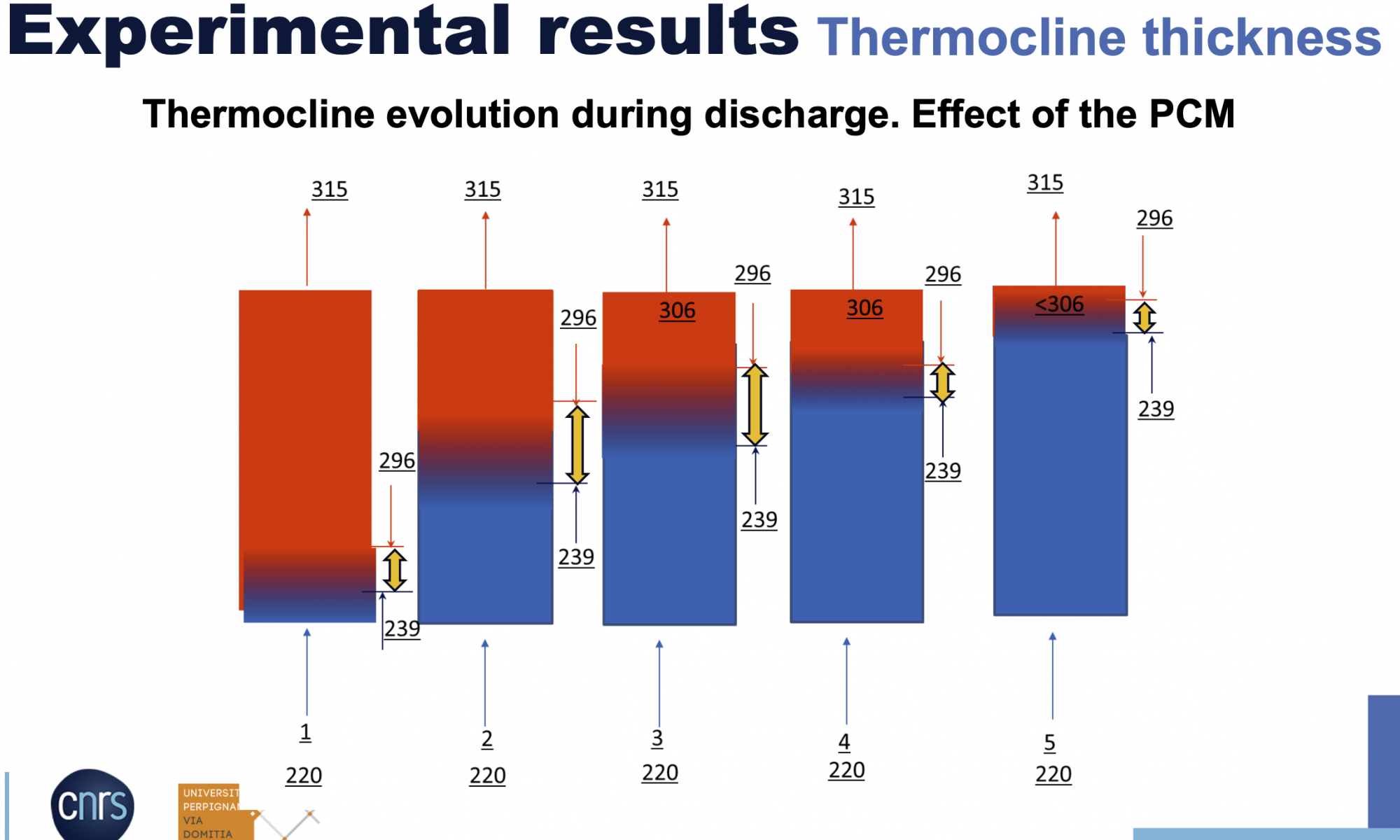
A solar thermal energy storage breakthrough – a novel combination of latent and sensible heat in a single tank that avoids thermocline thickening has been tested successfully at the PROMES-CNRS solar thermal research laboratory Most industries currently burn fossil fuels for heat. But to supply heat directly from sunlight, research attention is turning to solar …

SolarSteam wins recognition for Canadian climate tech

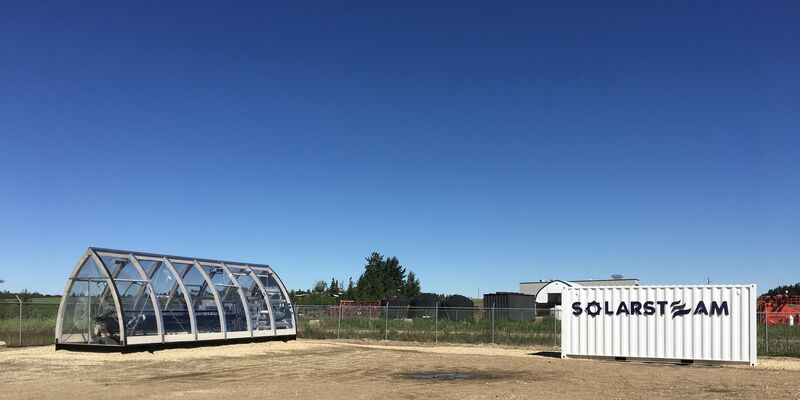
SolarSteam wins “most investable” Canadian startup award SolarSteam was recently picked by Foresight Canada as one of the country’s most investable clean tech companies. The start-up uses concentrating solar thermal to produce hot water and steam for use by industrial and institutional clients that need to meet an initial 20% to 30% green energy target …

Consortium to demonstrate nitrogen for fertilizer from biosolids using solar thermal

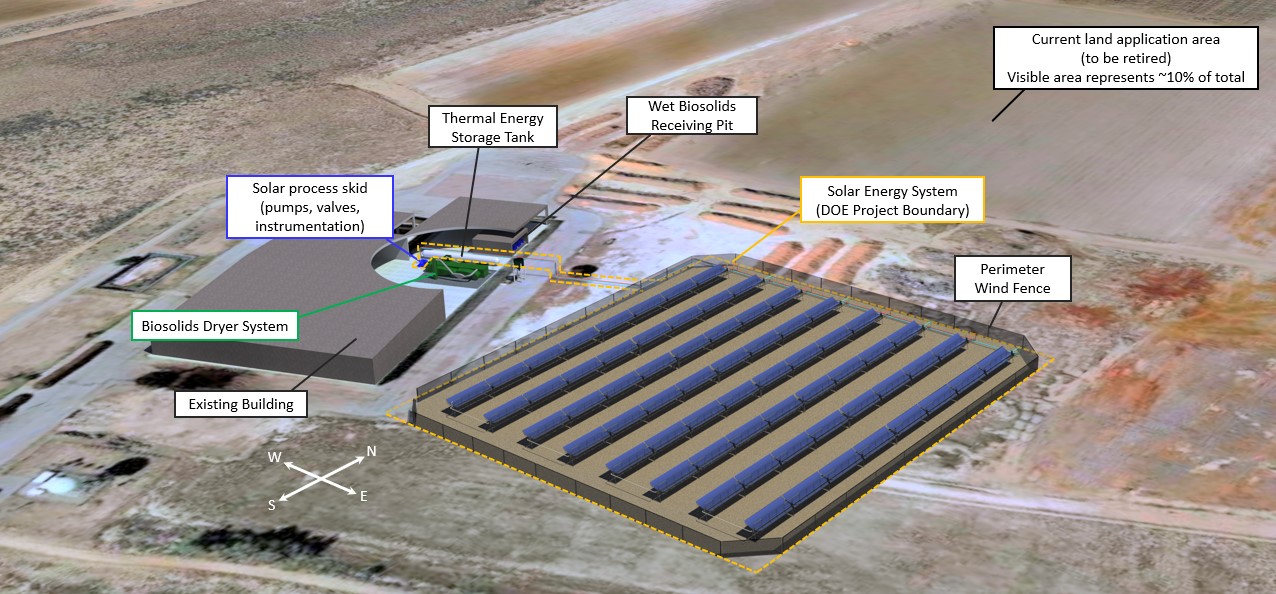
Layout of the solar field of mirrors to be installed near the current land application area to make nitrogen for fertilizer from biosolids – using solar thermal energy to dry the biosolids IMAGE@Ryan Shininger, Solar Dynamics In 2023, a wastewater treatment plant in New Mexico will begin making nitrogen for fertilizer from biosolids, using solar …

Innovation in its volumetric absorber takes OVR efficiency to 90%

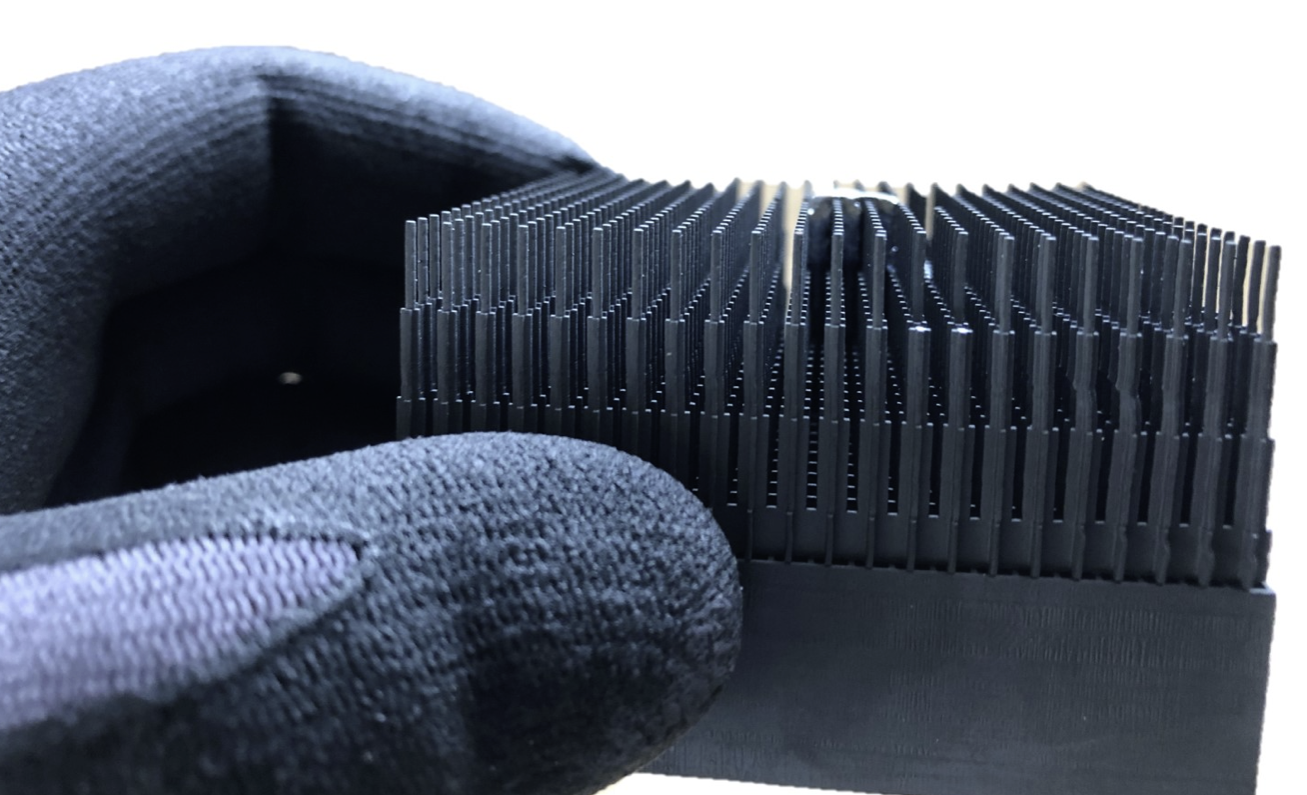
Screen-printed ceramic absorber structure made by Exentis Group. With innovation in its core component – the volumetric absorber – the Open Volumetric Receiver (OVR) can reach 90% efficiency and beyond Innovation: In a recent R&D project conducted by a consortium of the German companies Kraftanlagen Energies & Services GmbH, Vitesco Emitec and Exentis Group together with …

DLR Finds CST is Ideal Renewable to Decarbonize German Industry

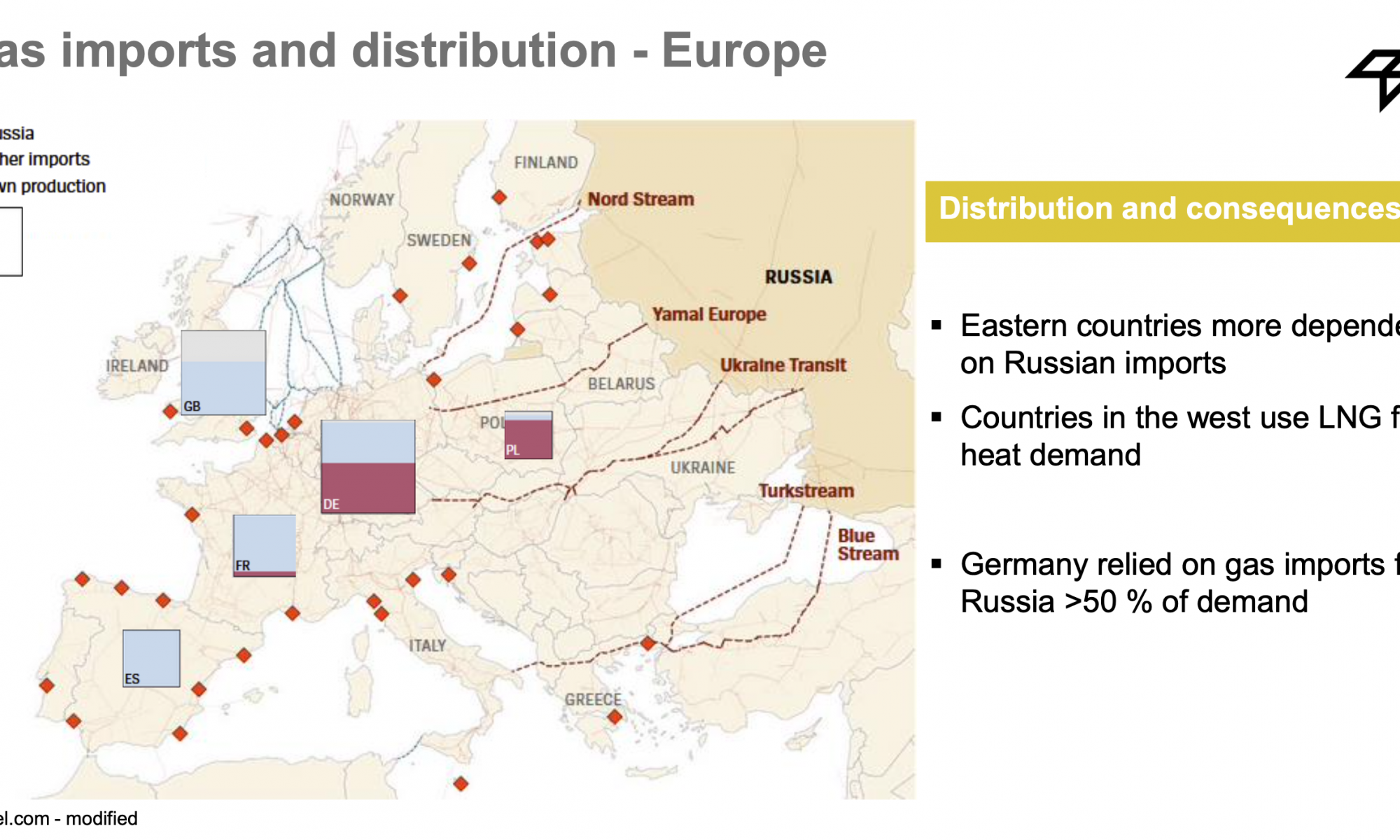
Gas imports and distribution in Europe , IMAGE@Robert Pitz-Paal An assessment of the cost/benefit of each green heat technology is timely, as countries that were most heavily dependent on Russian gas must rapidly decarbonize heavy industry as gas supplies dwindle from over 40% to under 10% and rise in price from 20 to 140 euros …