3D-printed ceria is a game-changer to increase solar fuel efficiency

3D-printing the perfect ceria structure enables incoming heat from a solar field of mirrors to spread evenly throughout a solar reactor.(How solar fuels are made: thermochemistry) IMAGE@Sebastian Sas Brunser 3D-printed ceria was one of the many brilliant ideas presented by international solar researchers at this year’s SolarPACES Conference in Sydney. In solar reactors for making …

Methane pyrolysis with liquid metals in a bubble column reactor to generate green hydrogen and carbon

Methane Pyrolysis in a Liquid Metal Bubble Column Reactor Using a bubble column reactor at Karlsruher Institut für Technologie, the Liquid Metal Laboratory team is working on producing hydrogen from methane, the cheapest method, but without CO2 emissions – the problem with the cheapest method. The main product, besides hydrogen, is carbon, which, like green …

CSP desalination siting tool demonstrated in Australia

CSP hybridized with MED desalination payback times A team of Australian researchers at the University of New South Wales (UNSW) has combined three tools to assess the economic viability of a hybrid CSP and desalination plant applicable for any region worldwide. “The interesting thing is you can modify this by yourself,” lead author Yingfei Huang …

Heliostat concentration boosted by shape-shifting glass

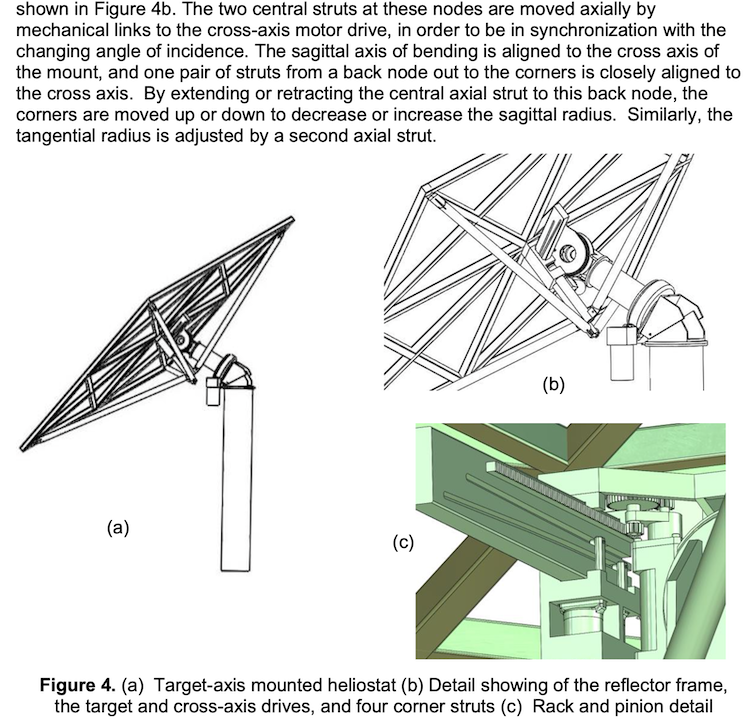
Heliostats get a concentration boost by bending and twisting the mirror with a mechanical frame By manipulating the shape of heliostats in real time, the optical efficiency of solar fields for tower CSP can be significantly increased, according to a paper presented at the New Mexico SolarPACES Conference: Heliostat with Automatic Shape Adjustment for High …

Australia’s liquid sodium solar receiver to be on show in October

CSIRO and the Australian National University (ANU) will display the liquid sodium receiver at the 2023 SolarPACES Conference tour of the CSIRO solar test site this October The solar receiver on view at this year’s SolarPACES Conference site tour in October will be the first that many attendees have seen. This solar receiver is designed …

Australia’s Vast CSP to include green methanol demo for shipping

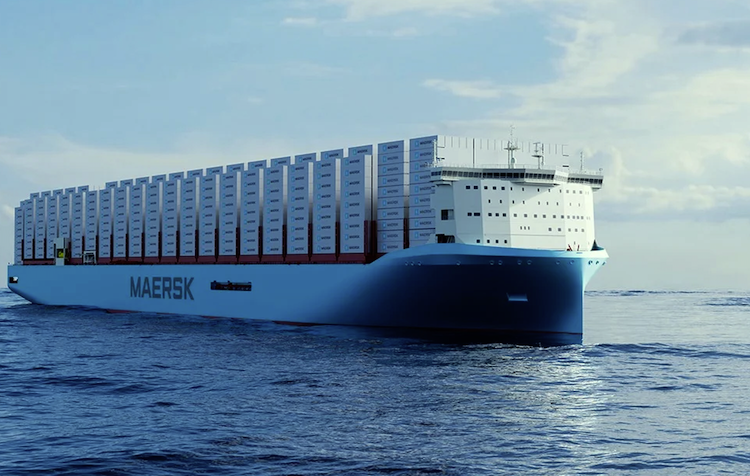
Maersk has already ordered 19 vessels with dual-fuel engines able to operate on green methanol. Why Vast plans to include methanol production in their CSP project Methanol is used to make many chemicals, but what makes producing green methanol most interesting for the future is that the shipping industry, finally having to deal with climate …

How can Synhelion’s solar receiver achieve such high temperatures?

How can Synhelion’s solar receiver reach such high temperatures? Synhelion’s solar receiver achieves a temperature of 1,500°C and higher. That’s unprecedented. Even the Gen3 particle-based solar receiver being pilot-scale tested now at Sandia – and the DLR CentRec receiver licensed to Heliogen – operate at the (relatively!) lower temperature of 1,000°C. One of Synhelion’s solar …

Sandia’s green ammonia research matters for a global shipping future

Cargo shipping will be very different in 2050. Increasingly, the shipping industry is looking to decarbonize and green ammonia research is funded globally from China to the UK IMAGE@Nottingham University: $5.5 million Research Effort to fuel ships on Green Ammonia Green ammonia could be made sustainably using solar thermochemistry instead of as it is made …